
Anklets get treated as an afterthought – something you throw on at the last minute – but the format you pick changes the whole effect. A chunky traditional payal reads completely differently from a delicate charm anklet, and wearing the wrong one for the occasion is one of the easiest styling mistakes to make.
This guide breaks down the real types of anklets and payals, how to size them correctly, and how to match them to your outfit – whether you're shopping at QDORA or anywhere else.
The Main Types of Anklets
| Type | What It Is | Best For |
|---|---|---|
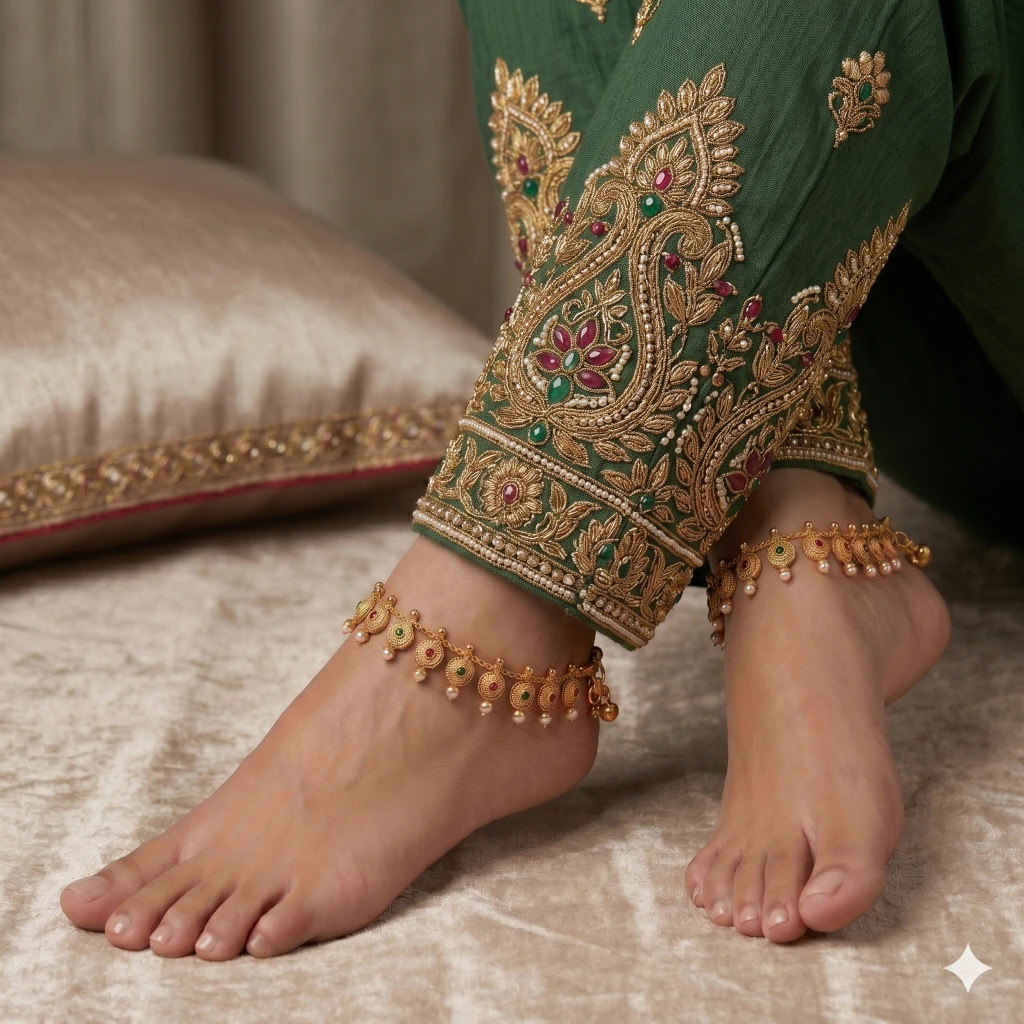
| Traditional Payal | Chunky chain-link anklet, often with pearl or stone detailing | Weddings, festive wear, sarees |
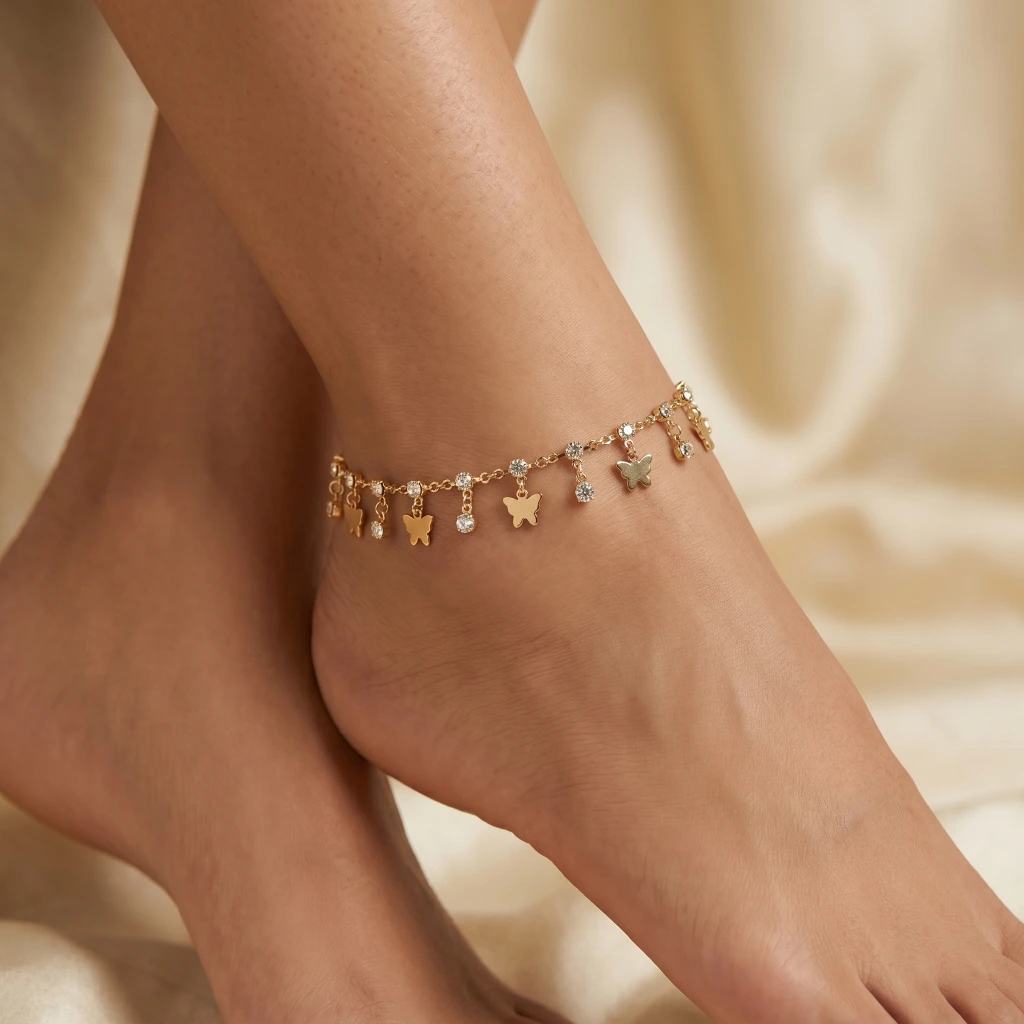
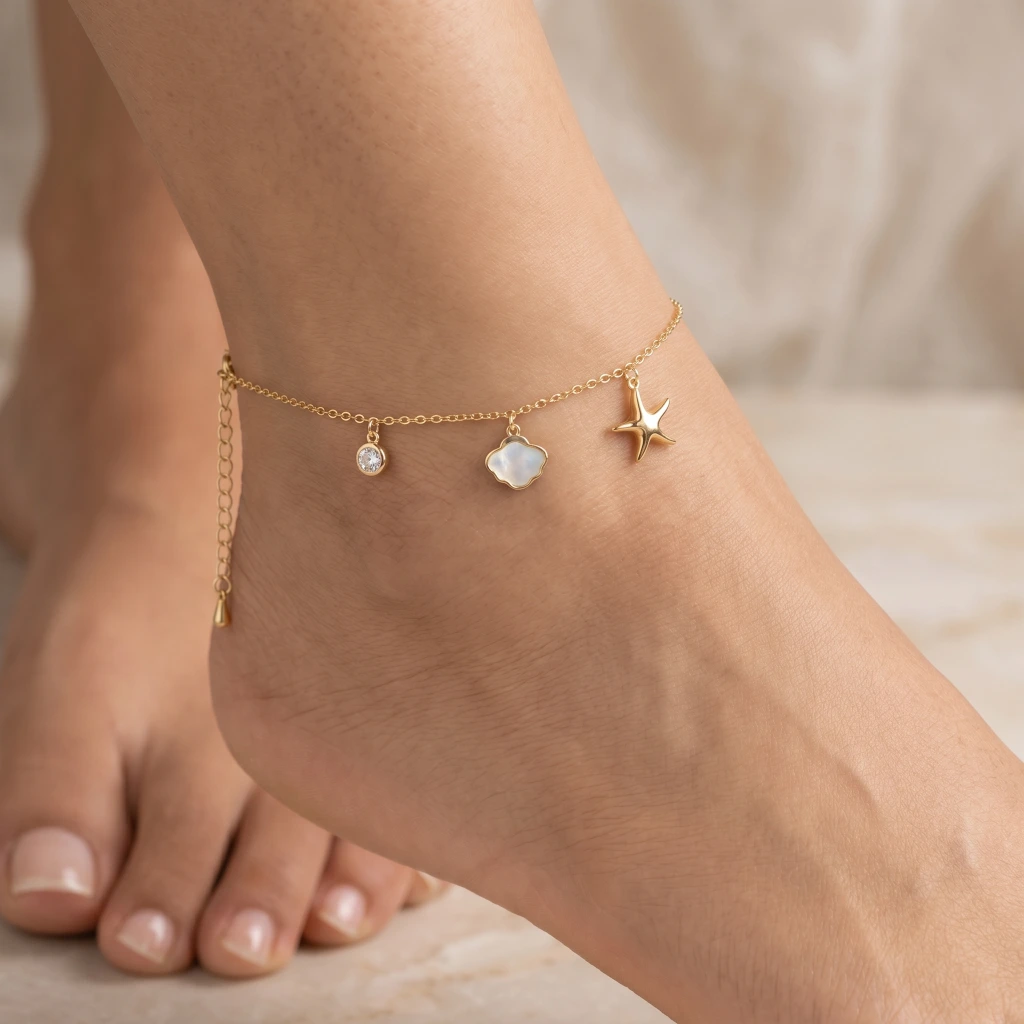
| Charm Anklet | Thin chain with a hanging motif – butterfly, starfish, disc | Casual outings, beach, everyday wear |
| Tennis/Stone-Set Anklet | Continuous line of stones along a fine chain | Party wear, dressier western outfits |
| Beaded/Thread Anklet | Cord or thread base with beads, sometimes layered | Boho/casual looks, layering with other anklets |
1. Traditional Payal – The Festive & Bridal Choice
The traditional payal is the heaviest-looking format – a thicker chain, often finished with pearls or coloured stones, designed to be noticed rather than blend in. It's the natural pairing with a saree or lehenga, and the one most people mean when they say "payal" rather than "anklet".
2. Charm Anklets – The Everyday, Casual Format
A thin chain with a single hanging charm – a butterfly, a starfish, a small disc – sits close to the ankle and barely announces itself, which is exactly the point. This is the format for jeans, dresses, and daily wear, not statement dressing.
3. Tennis Anklets – The Party-Wear Upgrade
Borrowed from the tennis bracelet format – a continuous run of stones along a fine chain – this style catches light with movement, which is what makes it work for evening and party wear where a plain chain would disappear under low lighting.
💡 Quick tip: A tennis anklet is one of the few anklet styles that reads well with open-toe heels rather than only with flats – it's built for visibility, not for hiding under a hemline.
4. Beaded & Thread Anklets – The Layering Piece
Cord-based anklets with small beads are the most casual, low-cost entry point, and the one style genuinely meant to be worn in twos or threes stacked together rather than alone – closer to how you'd stack patli bangles than how you'd wear a single statement payal.
5. Getting the Length Right
- Measure around your ankle bone with a soft tape or a piece of string, then add roughly 1–1.5cm for comfortable movement
- Most QDORA anklets come with an extender chain – check the product page for the adjustable range before ordering
- An anklet that's too tight will dig in when you sit or walk; one that's too loose will slide down over your foot
- If you're between sizes, pick the option with an extender rather than a fixed length
6. How to Wear & Pair Anklets by Occasion
- With a saree or Kasavu mundu: a traditional payal in gold or pearl-stone finish – it should be visible below the pleats, not hidden
- Office or college: a single delicate charm anklet, worn on one ankle only, under trousers or below a midi skirt
- Party or festive: a tennis anklet or multi-stone beaded set, paired with open footwear
- Casual/daily: layer 2–3 thread or beaded anklets on one ankle for a boho stack, keeping the other bare
- One anklet vs a pair: pairs are traditional for bridal/festive payal; a single anklet is the more common everyday styling choice
Quick Checklist Before You Buy
- Match the format to the occasion – payal for festive/bridal, charm or thread for daily wear
- Measure your ankle and check for an extender chain before ordering online
- Gold-toned pieces pair better with sarees; silver/rose gold work well with western wear
- Check plating details on the product page, especially for daily-wear pieces
Shop Anklets & Payals at QDORA
From traditional payals to everyday charm anklets, here are a few QDORA picks to start with:
Gold Multi-Stone Pearl Traditional Payal
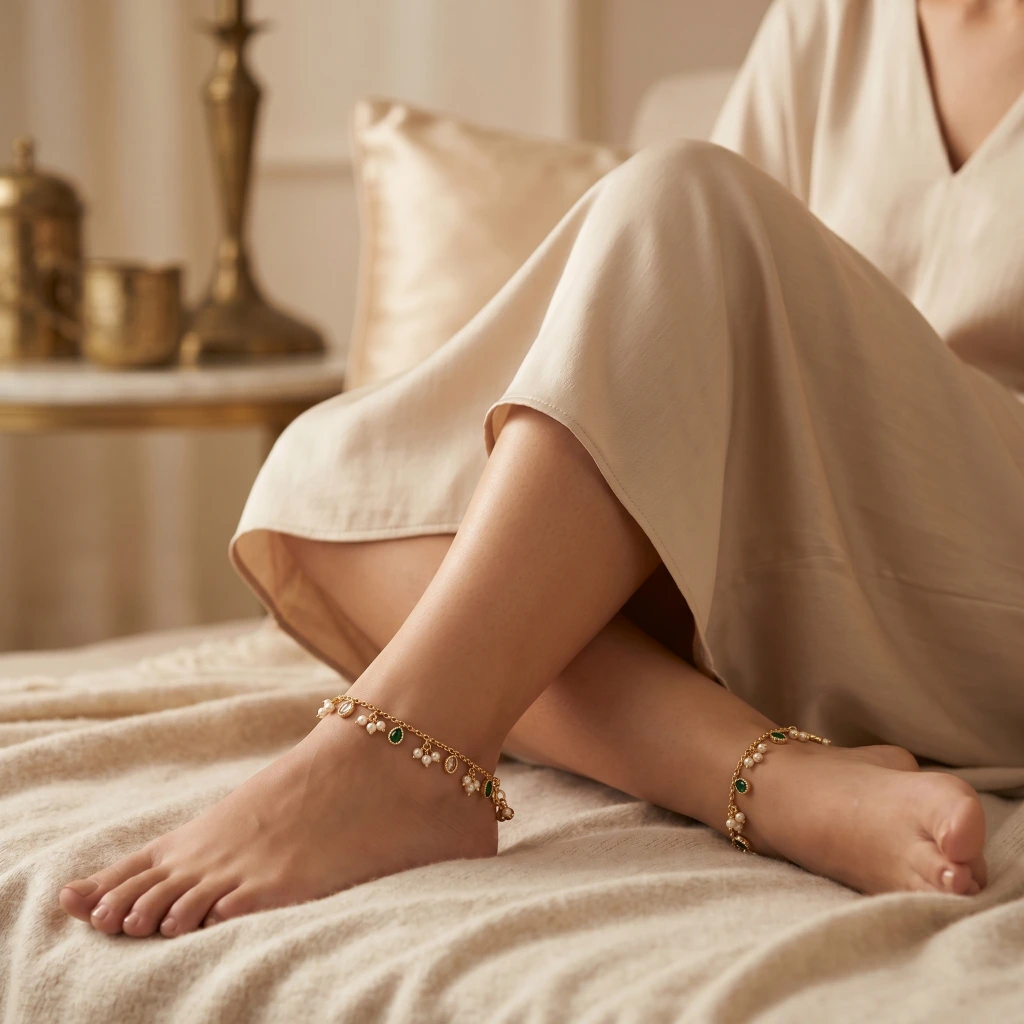
Gold Pearl & Green Stone Traditional Payal
Gold Butterfly Crystal Charm Anklet
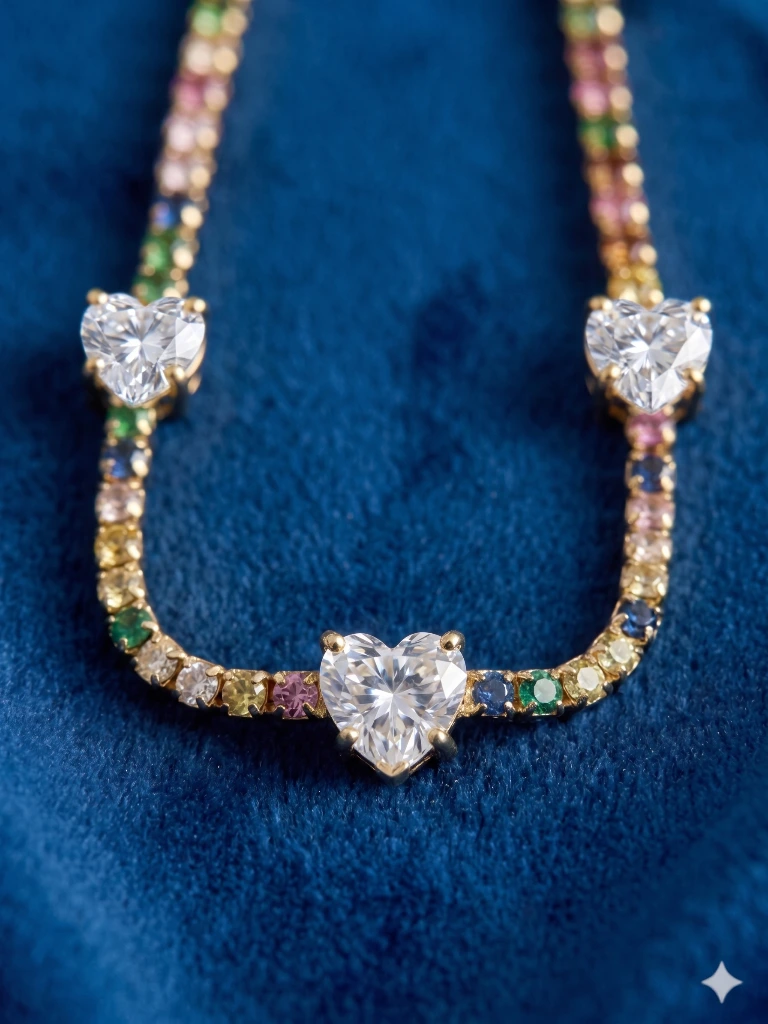
Gold Multi-Color Stone Tennis Anklet
✔ New arrivals every week ✔ Free shipping above ₹799
Frequently Asked Questions (FAQ)
What's the difference between a payal and an anklet?
"Payal" traditionally refers to the thicker, chain-link Indian anklet style often worn with sarees and at weddings, while "anklet" is the broader term that also covers thin charm chains, tennis anklets, and beaded styles.
Should I wear one anklet or a pair?
Pairs are the traditional choice for bridal and festive payal. For everyday charm or thread anklets, wearing just one on a single ankle is the more common contemporary styling choice.
How do I measure my ankle for an anklet?
Measure around your ankle bone with a soft tape or string and add roughly 1–1.5cm for comfortable movement. Check the product page for an extender chain if you're between sizes.
Can I wear an anklet with a Kasavu saree?
Yes – a gold-toned traditional payal is the classic pairing with a Kasavu saree, worn visible below the pleats rather than tucked away.
Do gold-plated anklets tarnish quickly?
Keep them away from water, perfume, and sweat where possible, and store them separately in a soft pouch. This slows tarnishing on any gold-plated anklet, not just artificial ones.
Where can I buy anklets and payal online in India?
QDORA carries traditional payal, charm anklets, tennis anklets, and beaded styles starting at ₹299, with free shipping above ₹799.